From 1 to 9: How Africa's World Cup Allocation Grew — and Why It Matters in 2026
A Seat at the Table, Finally Earned
When Egypt appeared at the 1934 World Cup, they were the sole representatives of an entire continent — and they played just one game. The journey from that single match to Africa's nine-team allocation at the 2026 World Cup is one of football's most significant political and sporting stories.
The Early Years: Token Representation
For decades, African football was treated as an afterthought by FIFA. At the 1966 World Cup in England, the African, Asian, and Oceanian confederations collectively received just one automatic qualification spot. In protest, all African nations boycotted the tournament. The boycott was largely ignored at the time — but it planted a seed.
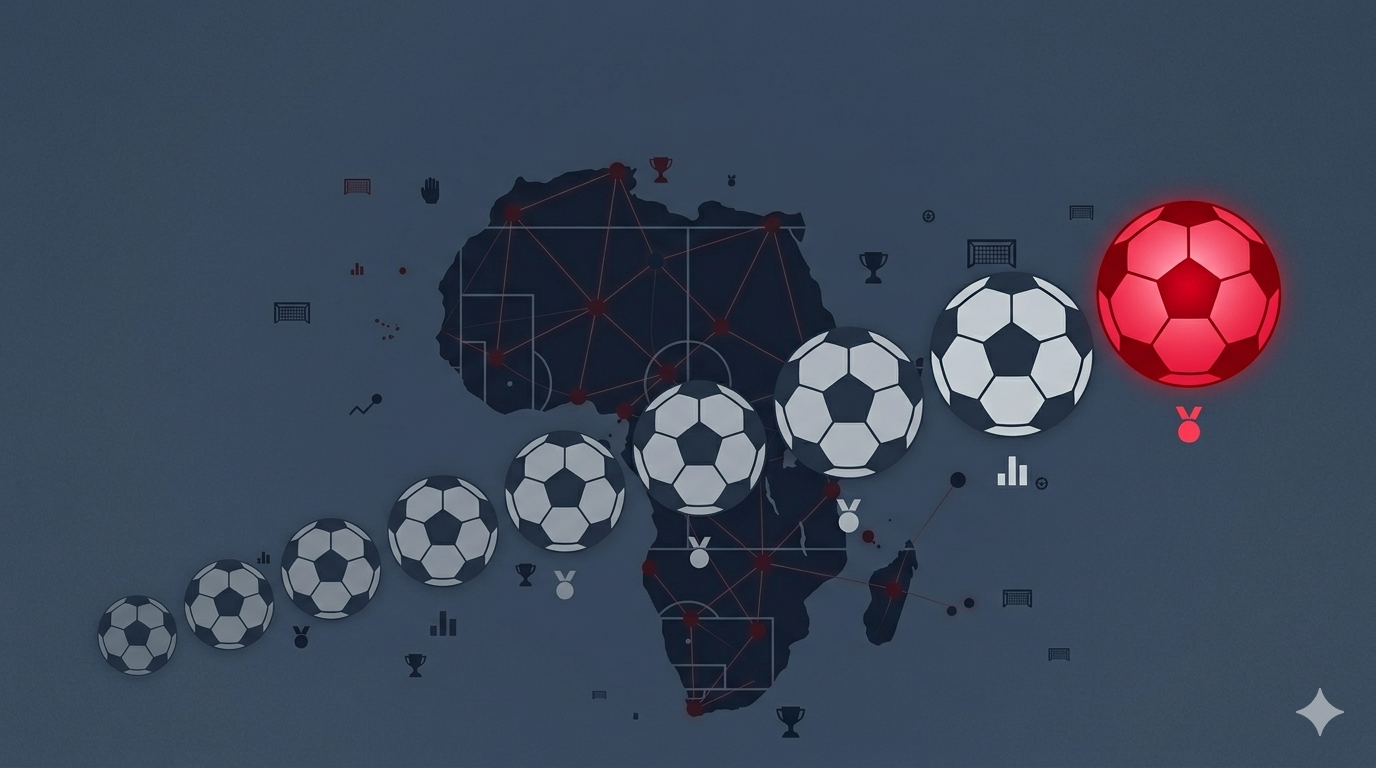
Through the 1970s and early 1980s, Africa typically held one guaranteed spot. This gradually increased: two spots from 1982, three from 1994, five from 2006, and now nine for the expanded 48-team 2026 edition.
The Case for More
Africa's case for expanded representation has always been rooted in numbers. The African continent contains 54 FIFA member nations — more than any other confederation. The quality of African football has improved dramatically over five decades. The commercial market — in terms of viewership, talent export, and growing middle classes — is enormous.
Morocco's semi-final run in 2022, Senegal's title at AFCON 2021, Nigeria's consistent qualification — these are not flukes. They are evidence of systemic improvement in coaching, infrastructure, and player development across the continent.
What 9 Teams Means for 2026
For the 2026 World Cup — held across the United States, Canada, and Mexico — Africa will send nine teams. This is transformative. It means more African nations gaining elite-level tournament experience. It means more African players visible to global clubs. It means more commercial opportunities for African football federations. And it means a greater statistical probability that an African team will reach — and perhaps win — the World Cup for the first time.
The journey from Egypt's single 1934 match to nine teams in 2026 took 92 years. What happens in those 92 years of accumulated football history may finally bear its ultimate fruit.